Listen to today's briefing4 min · AI voice by ElevenLabs
Updated · 12 stories · 10 sources · 3 min read
Apple announced new controls for macOS Full Disk Access citing risks from AI agents, while llama.cpp, vLLM, Ollama and GitHub shipped developer updates.
Good morning, it's Sunday, October fourth, 2026. Apple announced it will add new controls for macOS Full Disk Access, saying AI agents have substantially increased the risks associated with this level of system permission. The company said it will require very explicit user action before granting apps access to files, mail, messages, and browsing history. Apple did not say when the update will roll out. The llama.cpp project released build b11381, which fixes a deprecated strdup warning on Windows. The release includes builds for macOS, Linux, Android, Windows, and openEuler platforms, with support for CPU, CUDA 12, CUDA 13, Vulkan, ROCm and other backends. Nvidia raised the price of its Shield TV Pro from one hundred ninety-nine dollars ninety-nine cents to two hundred ninety-nine dollars ninety-nine cents, effective October second. The company blamed substantially increased costs for components and memory across the industry. The Shield TV Pro launched in 2019 running a Tegra X1 plus processor. The vLLM project released version zero point three one point zero, adding a Transformers library version upper bound to its requirements. The change was backported from an earlier commit. GitHub completed its rollout of stateless App installation tokens. The new tokens use a ghs underscore APPID underscore JWT format and are five hundred twenty characters long instead of forty. GitHub said the format makes token issuance and validation faster and improves API reliability. The temporary X-GitHub-Stateless-S2S-Token request header will be deprecated November thirtieth, 2026. Developers must ensure their systems treat tokens as opaque strings and remove the temporary header before that date. Meta open sourced code for building Muse AI gadgets on ESP32 boards and Raspberry Pi devices. The SDKs support displays, buttons, sensors and actuators. Meta also manufactured five thousand Muse Home Link gadgets that can control lights, TVs and printers using community-built skills, and opened a waitlist ahead of shipping this month. Ollama released version zero point three five point one with support for Cloudflare's Clef and Clef Flash decision models through the slash v1 slash systemone endpoint. Clef is a twenty-seven billion parameter model and Clef Flash is nine billion parameters. Both are multimodal and accept images alongside text. Models can now perform up to ten web searches per response, up from three. Simon Willison published his September sponsors-only newsletter covering Fable class models, a pricing war, and advances in LLMs for mathematics. The newsletter is available to sponsors at ten dollars per month. OpenAI published a guide for startups on choosing GPT-6 models, tuning reasoning effort, improving prompts, coordinating tools, and preparing workflows for production. Security researcher Karan Joshi extracted Muse's internal instructions and found the agent creates a page for every person in a user's life, updated hourly. The pages may include facts, history, relationship details, dates that matter, and suggestions for strengthening relationships. Meta said each user has a dedicated virtual machine that stores data inaccessible to other users. Several AI agents now work through text messages instead of requiring separate apps. Caddy has been in public beta since April 2026 via iMessage and RCS. Fambot launched in September 2026 after raising three point five million dollars in pre-seed funding. Folk offers a free beta and a Pro subscription for eight dollars thirty-three cents per month. That's your briefing for October fourth.
Simon Willison published a September sponsors-only newsletter covering Fable class models, a pricing war, and mathematics advances from LLMs.
Newsletter covers Fable models and a pricing war
Topics include LLMs for mathematics and accidental cyberattacks
Available to sponsors at ten dollars per month
Explain it simply
In plain words Developer Simon Willison sent a monthly newsletter to sponsors covering AI model updates and pricing. A preview of the August edition is available free.
Term to knowsponsors-only — content available only to paying supporters
What it means for developers: Developers can pay ten dollars per month for early access to curated AI news.
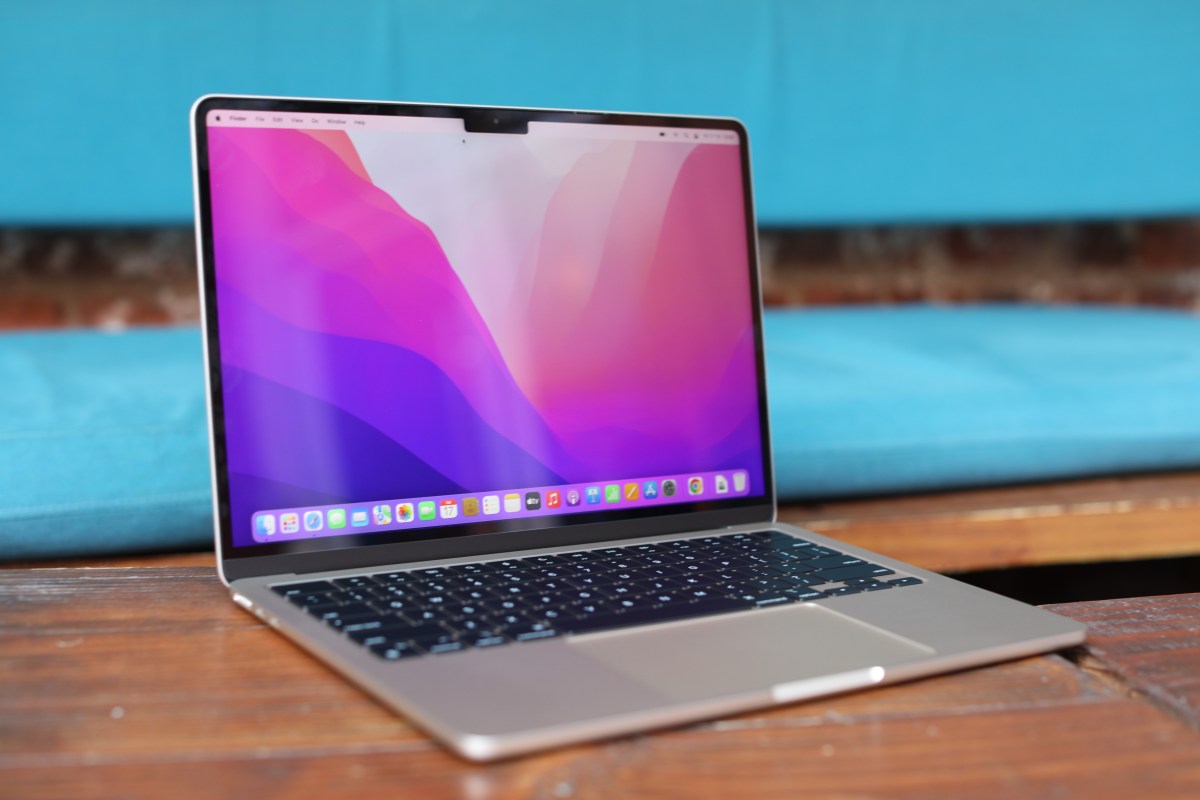
Apple said AI agents increase risks from Full Disk Access and will require very explicit user action to grant the permission.
Apple cited AI agents' capabilities as increasing Full Disk Access risks
New controls will require very explicit user action for permission
Full Disk Access grants apps permission to files, mail, messages, browsing history
Explain it simply
In plain words Apple announced it will add new controls to a Mac setting called Full Disk Access, which lets apps see files, messages and browsing history. Apple said AI agents make this permission riskier.
Term to knowFull Disk Access — macOS setting that gives an app permission to access all files and data
What it means for developers: Developers building Mac AI agents face stricter user consent requirements for system-wide data access.
llama.cpp released build b11381 fixing a deprecated strdup warning on Windows, with builds for macOS, Linux, Android and Windows platforms.
Build b11381 fixes deprecated strdup warning on Windows
Includes builds for macOS, Linux, Android, Windows, and openEuler platforms
Supports CPU, CUDA 12, CUDA 13, Vulkan, ROCm and other backends
Explain it simply
In plain words The llama.cpp project released a new build that fixes a warning on Windows. It includes versions for many operating systems and hardware types.
Term to knowstrdup — function in C programming that duplicates a string in memory
What it means for developers: Developers running llama.cpp on Windows get a cleaner build without deprecation warnings.
Nvidia raised the Shield TV Pro price from $199.99 to $299.99 starting October second, blaming higher memory costs across the industry.
Price increased from $199.99 to $299.99 effective October second
Nvidia cited substantially increased component and memory costs
Shield TV Pro runs Tegra X1+ processor, launched in 2019
Explain it simply
In plain words Nvidia increased the price of its Shield TV Pro streaming box by one hundred dollars. The company said memory and component costs have risen across the industry.
Term to knowTegra X1+ — Nvidia processor chip designed for mobile and embedded devices
What it means for developers: Rising component costs driven by AI demand are increasing prices for established hardware products.
Multiple AI agents including Caddy, Fambot, Folk and Instinct work through iMessage, SMS, WhatsApp and Telegram without separate apps.
Caddy available in public beta since April 2026 via iMessage and RCS
Fambot launched September 2026, raised 3.5 million dollars in pre-seed funding
Folk offers free beta and eight dollar thirty-three cent monthly Pro subscription
Explain it simply
In plain words Several AI agents let users send requests via text message instead of downloading apps. They can schedule, research and complete tasks by text.
Term to knowRCS — Rich Communication Services, enhanced messaging protocol for Android
What it means for developers: Developers see growing market for text-based AI agents with app integration capabilities.
Researcher Karan Joshi extracted Muse instructions showing the agent creates pages for every person in a user's life, updated hourly.
Muse creates a page for every person in user's life
Pages may include facts, history, relationship details, and strengthening suggestions
Each user has dedicated virtual machine storing data inaccessible to others
Explain it simply
In plain words A security researcher found that Meta's Muse AI builds detailed profiles of everyone in your life, including relationship advice and important dates.
Term to knowsystem prompts — internal instructions that control how an AI model behaves
What it means for developers: Developers and users learn how Muse structures social data collection across relationships.
GitHub finished rolling out stateless installation tokens in ghs underscore APPID underscore JWT format, now five hundred twenty characters instead of forty.
Tokens now 520 characters long instead of 40
Format is ghs_APPID_JWT, making validation faster
Temporary header X-GitHub-Stateless-S2S-Token deprecated November thirtieth
Explain it simply
In plain words GitHub finished switching to a new token format for apps. The tokens are much longer but make the API faster and more reliable.
Term to knowstateless token — authentication credential that contains all needed data without requiring server lookups
What it means for developers: Developers must ensure systems handle tokens as opaque strings and remove temporary headers by November thirtieth.
Ollama version zero point three five point one supports Cloudflare's Clef and Clef Flash decision models through slash v1 slash systemone endpoint.
Supports Clef 27B and Clef Flash 9B decision models
Models are multimodal, accepting images alongside text state
Models can now perform up to ten web searches per response
Explain it simply
In plain words Ollama added support for Cloudflare's Clef decision models, which can analyze images and text together. Models can now do up to ten web searches.
Term to knowdecision model — AI model that answers specific questions with scored confidence rather than chat
What it means for developers: Developers can run Clef decision models locally with image support through Ollama's API.
Developer Tools
Last step · 1 minute
Daily quiz
5 questions on today's stories
Browse other days
How we work
Editorial standards
Primary sources first
Lab announcements, release notes and SDK changelogs come before commentary. Every story links to the original.
Only what the source says
Figures, model names and prices are taken from the published text. Where a detail is not stated, we leave it out.
Written for developers
Each story states what changed, by how much, and what it means in practice. No hype, no speculation.
Quick answers
What happened in AI on Sunday, 4 October 2026?
Apple announced new controls for macOS Full Disk Access citing risks from AI agents, while llama.cpp, vLLM, Ollama and GitHub shipped developer updates. 12 stories from 10 sources are summarised on this page.
What are the top AI stories today?
1. A model guide for the GPT-6 family. 2. September sponsors-only newsletter. 3. Apple says it’s tightening macOS ‘Full Disk Access’ controls due to new risks from AI agents.
Which AI topics does today's briefing cover?
New Models (2), Pricing & Tokens (2), Developer Tools (8).
Where does the information come from?
Headlines and short summaries come from the public feeds of 10 publishers, including Ars Technica, GitHub Changelog, Ollama releases, OpenAI, Simon Willison's Weblog, TechCrunch. Every story links to the original article.
Is there an audio version of this briefing?
Yes. A voice recording covering every story is at the top of this page and is published each day.
Sources
Every headline links to the original. How it works