Today
Top stories

Daily briefing on generative AI

AI news briefing for Monday, 16 November 2026

Listen to today's briefing3 min · AI voice by ElevenLabs

Updated · 10 stories · 6 sources · 2 min read

Google switched its Python SDK to default to the stable v1 API from beta, while Nvidia's Jensen Huang departed after alleged affairs with a chip executive and employees.

Step 1 · 30 seconds

Summary

Step 2 · 3 min

Listen

Voiced by ElevenLabs from today's briefing.

Read the transcript

Good morning. This is dailybrief, and here are today's top stories in generative AI, for Monday, November 16. Google has released version 3.0.0 of its generative AI Python SDK with breaking changes for developers. According to the release notes, the Gemini Developer API now defaults to version v1 instead of v1beta. Some model aliases including gemini-flash-latest, gemini-flash-lite-latest and gemini-pro-latest exist only on v1beta. Developers who want to continue using them must either switch to a specific stable model version or set an environment variable to restore the beta default. The SDK also replaced httpx with httpx2 as the default HTTP client. In other news, Nvidia CEO Jensen Huang has left the company after reports he had an affair with an executive suspected of being a Chinese spy. The New York Times reported Huang developed a close relationship with Alice Huang, an executive at Singapore-based data center company Megaspeed. US officials believed she was passing information about Nvidia's designs or White House trade deliberations directly to Beijing. Megaspeed was investigated by the Commerce Department over suspicions it was illegally smuggling Nvidia AI chips into China. Nvidia has appointed chief financial officer Colette Kress as interim CEO. Meanwhile, a petition calling for Huang's reinstatement has gathered more than 115,000 signatures. According to TechCrunch, the petition includes 5,965 current Nvidia employees, 1,108 former employees, and 63,063 shareholders. Notable supporters include Tesla CEO Elon Musk, Replit CEO Amjad Masad, Epic Games CEO Tim Sweeney, and Y Combinator CEO Garry Tan. The petition demands the board bring Huang back while an independent investigation establishes the facts. Turning to developer tools, datasette-llm version 0.1a11 now supports OpenAI-compatible endpoints. According to Simon Willison, the release enables Datasette to use any locally hosted LLM that speaks the OpenAI protocol, including models running on LM Studio, Ollama, or llama.cpp. Also today, TechCrunch reported that chatbot platform Character.ai filed for bankruptcy just five years after launching. The company had raised 150 million dollars at a one billion dollar valuation in 2023. OpenAI shut down its Sora video-sharing platform in March 2026, citing high operating costs and user retention challenges. S&P Global Market Intelligence data shows about 42 percent of AI initiatives are ultimately abandoned by their corporate parents. And finally, a Carnegie Mellon researcher presented Object Agent Twins at the ACM Symposium on User Interface Software and Technology. The system uses E Ink displays with sensors to create AI avatars for household objects like plants or skateboards. Google Gemini's Nano Banana service generates sprite emotions based on sensor data. The hardware costs around twenty dollars but battery life lasts only three to four days, one day when using the sound sensor. That's dailybrief for today. Every story is linked to its original source on our website.

Podcast Two-host conversation with Jessica & Eric · 6 min

Read the podcast transcript

Jessica: So the CEO of Nvidia is gone.

Eric: Wait, Jensen Huang left?

Jessica: Yeah. The Verge reported he had a relationship with an executive at a company called Megaspeed that was being investigated for smuggling chips to China.

Eric: Oh wow.

Jessica: This is dailybrief, I'm Jessica.

Eric: And I'm Eric. It's Monday, November sixteenth, twenty twenty-six.

Jessica: So according to The Verge, US officials believed this executive, Alice Huang, was passing Nvidia information to Beijing. And Nvidia's board appointed their CFO Colette Kress as interim CEO.

Eric: Interim. Meaning they don't have a succession plan.

Jessica: Right. And The Verge called him the last visionary showman founder CEO in tech, comparing him to Steve Jobs. They said around sixty employees reported directly to him with no deputies.

Eric: That's... not great for continuity.

Jessica: But there's a twist. TechCrunch says over a hundred and fifteen thousand people signed a petition calling for Nvidia to reinstate him, including Elon Musk and a bunch of other tech execs.

Eric: A hundred fifteen thousand?

Jessica: Yeah, including almost six thousand current Nvidia employees. They're demanding an independent investigation and more transparency from the board.

Eric: I mean, I get wanting due process, but if US officials think there's an actual espionage risk—

Jessica: That's the thing. It's messy. And this is happening at the center of AI chip supply.

Eric: Speaking of which, TechCrunch also reported that Nvidia's chief security officer left back in August.

Jessica: Three months before this broke.

Eric: Right. David Reber left for health reasons, and they brought in someone from ExxonMobil. But the timing raises questions about what the security team knew.

Jessica: Security experts told TechCrunch that CEO affairs can give foreign intelligence leverage. It's a real vulnerability.

Eric: Yeah, that's corporate security one-oh-one.

Jessica: Okay, shifting gears. TechCrunch says Character dot AI filed for bankruptcy.

Eric: The chatbot startup?

Jessica: Yeah, five years after launch. They'd raised a hundred fifty million at a billion dollar valuation.

Eric: And OpenAI shut down Sora in March, their video platform. Citing operating costs and retention challenges.

Jessica: Which is wild because that's OpenAI.

Eric: Right. But here's the number that got me: S&P Global data shows forty-two percent of AI initiatives are ultimately abandoned.

Jessica: Four in ten projects just... fail.

Eric: Even with funding. Even from big companies.

Jessica: Well, speaking of big companies, Google released version three of their Python SDK for generative AI, and it's got breaking changes.

Eric: What broke?

Jessica: The Gemini Developer API now defaults to v one instead of v one beta. Some model aliases like gemini-flash-latest only exist on the beta version.

Eric: So if you were using those models, you have to explicitly set an environment variable to keep them working?

Jessica: Yeah, GOOGLE_GENAI_API_VERSION equals v one beta. Or update your code.

Eric: That's annoying but... honestly, moving from beta to stable is the right direction.

Jessica: Fair.

Eric: More useful: datasette-llm released point one alpha eleven with OpenAI-compatible endpoint support.

Jessica: Oh, this is clever. Simon Willison's plugin lets Datasette connect to any local model using the OpenAI protocol.

Eric: So LM Studio, Ollama, llama dot cpp servers...

Jessica: Exactly. You can run Datasette Agent with locally hosted models instead of relying on cloud services.

Eric: That's actually really practical.

Jessica: And llama dot cpp released build b twelve four two two with four Jinja template features.

Eric: Do we know what they are?

Jessica: Nope. The release notes don't say.

Eric: Very helpful.

Jessica: Okay, WIRED reported on AI DJs interrupting music on YouTube and Spotify.

Eric: Oh, I've heard the Spotify one. It's... a choice.

Jessica: YouTube launched something called Beyond the Beat last year, and Spotify expanded their AI DJ personalities and controls in November. Both are optional.

Eric: Spotify claims eighty percent of listeners return weekly, but honestly, the synthetic commentary feels flat.

Jessica: It's one of those cases where the human touch really matters.

Eric: And then there's this Carnegie Mellon researcher who presented Object Agent Twins at an ACM symposium.

Jessica: Wait, what are those?

Eric: Daehwa Kim built tiny E Ink displays with sensors that you attach to household objects. Like a plant or a skateboard.

Jessica: And they show—

Eric: Cartoon characters that react based on how you treat the object. The sensors track moisture, temperature, light, motion. Google Gemini generates the emotions.

Jessica: So... virtual pets for your stuff.

Eric: Pretty much. Battery lasts three to four days, or one day if you use the sound sensor.

Jessica: That battery life is not great.

Eric: No, but it's an interesting experiment in AI agents beyond smartphones.

Jessica: That's it for today. Every story is linked to its source on the dailybrief website.

Eric: We'll see you tomorrow.

Step 3 · 2 minutes

Top 3 stories

Simon Willison's Weblog

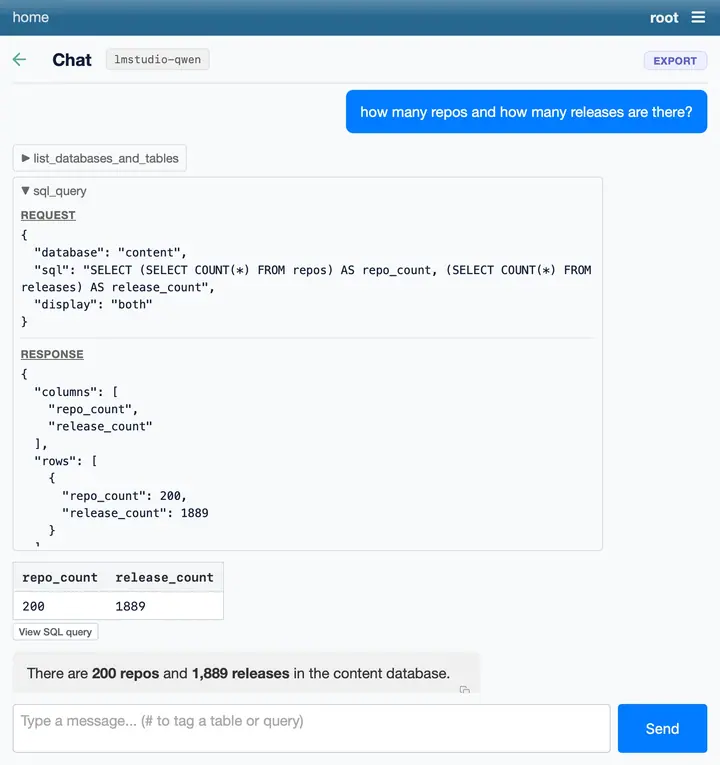
datasette-llm 0.1a11 adds OpenAI-compatible endpoint support

New Models

The plugin release enables Datasette to connect to any local model using the OpenAI protocol, including LM Studio and Ollama.

  • Qwen 3.8
  • Supports OpenAI-compatible endpoints for local LLM hosting
  • Works with LM Studio, Ollama, and llama.cpp servers
  • Enables running Datasette Agent with locally hosted models

Explain it simply

In plain words A plugin for Datasette now lets developers use locally hosted AI models with any tool that speaks the same protocol OpenAI uses, making it easier to run models on your own computer.

Term to know OpenAI-compatible endpoint — server that accepts requests formatted like OpenAI's API standard

What it means for developers: Developers can now run Datasette with local models instead of relying on cloud services.

Read the full story at Simon Willison's Weblog
llama.cpp releases

llama.cpp release b12422 adds four Jinja template features

New Models

The llama.cpp project released build b12422 adding missing Jinja features, according to the release notes.

  • Release adds four missing Jinja template features
  • No other details provided in brief release notes
  • llama.cpp recently hit version 1.0.0 milestone

Explain it simply

In plain words The llama.cpp project, which runs AI models locally, added four template features in its latest release but did not provide details on what they are.

Term to know Jinja — templating language that generates text by filling in predefined patterns

What it means for developers: Minor update to local model infrastructure, though specifics unclear from release notes.

Read the full story at llama.cpp releases
Google Gen AI SDK releases

Google Gen AI Python SDK v3.0.0 switches default to v1 API from beta

Developer Tools

Google released version 3.0.0 of its Python SDK with breaking changes including a default switch to v1 API and httpx2 client.

  • gemini-3.5
  • Gemini Developer API now defaults to v1 instead of v1beta
  • Some model aliases like gemini-flash-latest only exist on v1beta
  • httpx2 replaces httpx as default HTTP client and required dependency

Explain it simply

In plain words Google's Python SDK for generative AI now uses a stable API version by default instead of a beta version, which means some experimental models are no longer available unless developers explicitly switch back.

Term to know API version — numbered release of an interface defining how software communicates

What it means for developers: Developers must set GOOGLE_GENAI_API_VERSION=v1beta or update code to keep using certain models.

Read the full story at Google Gen AI SDK releases

Today's newsmakers

Who's making AI news

The companies that feature most in today's stories, ranked by how often and how prominently they appear.

  1. #1

    Nvidia

    3 stories today

    Steady
  2. #2

    OpenAI

    2 stories today

    ▲ 1

    +1 more story

  3. #3

    Google

    2 stories today

    ▼ 1

    +1 more story

  4. #4

    Alibaba

    1 story today

    Steady
  5. #5

    Ollama

    1 story today

    Steady

Company names and logos are trademarks of their owners, shown only to identify them.

Optional · if you have more time

More stories

7 more stories

WIRED

YouTube, Spotify AI DJs interrupt music with synthetic commentary

WIRED reported both streaming services offer optional AI DJ features that provide context between songs, with mixed user reception.

  • YouTube launched Beyond the Beat experimental AI DJ in 2025
  • Spotify expanded AI DJ personalities and controls in November
  • Both features optional; Spotify claims 80% weekly listener return rate

Explain it simply

In plain words Music streaming apps now offer AI voices that talk between songs to introduce tracks, though some users find the commentary annoying and the experience falls flat.

Term to know synthetic commentary — spoken words generated by AI rather than recorded from humans

Why it matters: Illustrates AI application challenges in consumer products where human touch matters.

Industry & Policy
WIRED

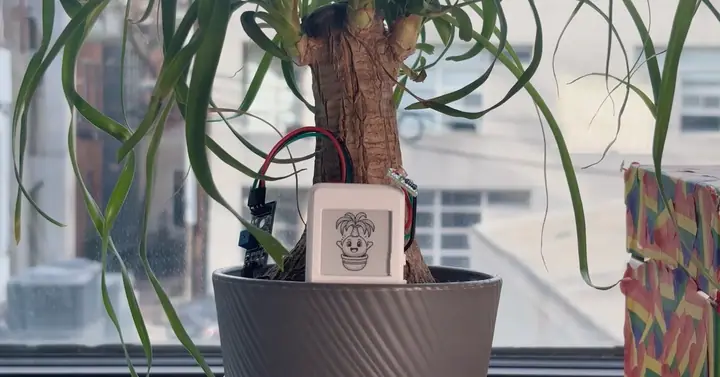
Carnegie Mellon researcher presents OATs, AI avatars for household objects

Daehwa Kim presented Object Agent Twins at ACM symposium, pairing E Ink displays with sensors to create virtual pets for everyday items.

  • E Ink displays with sensors track moisture, temperature, light, and motion
  • Google Gemini's Nano Banana generates sprite emotions based on data
  • Battery lasts three to four days, one day with sound sensor

Explain it simply

In plain words A researcher built tiny screens that attach to household objects like plants or skateboards and show cartoon characters that react based on how you treat the object.

Term to know E Ink display — low-power screen technology like e-readers that shows static images clearly

Why it matters: Demonstrates experimental approach to AI agents beyond smartphones, though battery life limits practicality.

Industry & Policy
TechCrunch

Questions raised over Nvidia security team's role in Huang matter

TechCrunch asked what Nvidia's security team knew about government scrutiny of Megaspeed and Huang's relationships before his departure.

  • Chief security officer David Reber left in August for health reasons
  • Replacement Saša Zdjelar previously spent 17 years at ExxonMobil
  • Security experts say CEO affairs can give foreign intelligence leverage

Explain it simply

In plain words Nvidia's head of security left three months before the CEO scandal broke, raising questions about whether the security team knew of risks but faced resource limits.

Term to know foreign intelligence service — government agency that gathers secret information about other countries

Why it matters: Highlights corporate security challenges in detecting espionage risks from everyday relationships.

Industry & Policy
The Verge

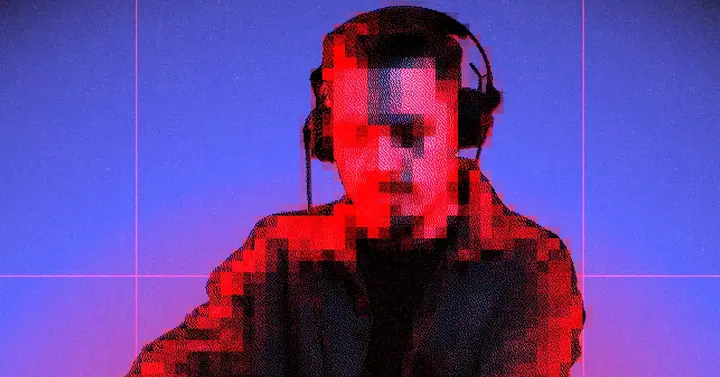
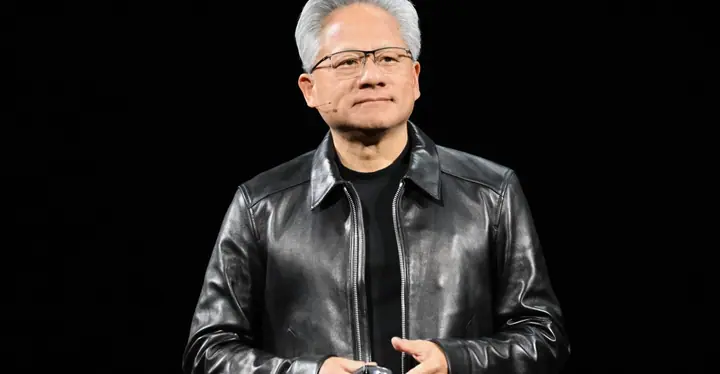
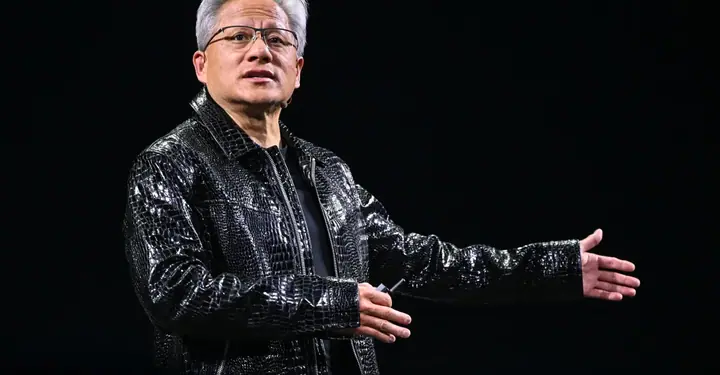
Jensen Huang left Nvidia after affair with alleged Chinese spy at Megaspeed

Nvidia CEO Jensen Huang departed after reports of an affair with a Megaspeed executive investigated for smuggling chips to China.

  • Huang had relationship with Alice Huang, Megaspeed exec suspected of spying
  • US officials believed she passed Nvidia information to Beijing
  • Nvidia appointed CFO Colette Kress as interim CEO after resignation

Explain it simply

In plain words The CEO of Nvidia, which makes crucial AI chips, left the company after revelations he had a relationship with an executive at a company suspected of illegally sending chips to China.

Term to know trade restrictions — government rules limiting export of certain goods to other countries

Why it matters: Huang's departure creates uncertainty at the center of AI chip supply with no succession plan.

Chips & Infrastructure
TechCrunch

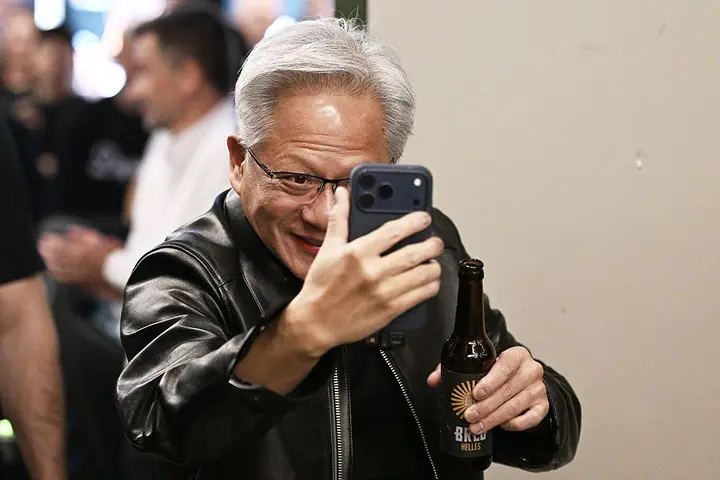
Elon Musk, tech CEOs sign petition for Nvidia to reinstate Jensen Huang

A petition with over 115,000 signatures, including Elon Musk and other tech executives, calls for Huang's reinstatement with due process.

  • Petition gathered 115,000 signatures including 5,965 current Nvidia employees
  • Supporters include Musk, Replit CEO Masad, Epic's Sweeney, YC's Tan
  • Demands independent investigation and board transparency on Huang's removal

Explain it simply

In plain words More than 115,000 people signed a petition asking Nvidia to bring back its former CEO, saying he should get a fair investigation before being permanently removed.

Term to know due process — fair procedures and investigation before making a serious decision

Why it matters: Industry support suggests concern over leadership vacuum at the center of AI chip supply.

Chips & Infrastructure
TechCrunch

Character.ai filed bankruptcy, OpenAI shut Sora video platform in March

TechCrunch reported Character.ai filed bankruptcy five years after launch, while OpenAI discontinued Sora due to operating costs and retention challenges.

  • Character.ai bankrupt after raising $150 million at $1 billion valuation
  • OpenAI shut Sora video platform in March 2026 citing costs
  • S&P Global data shows 42% of AI initiatives abandoned

Explain it simply

In plain words A chatbot startup went bankrupt and OpenAI closed its video service, part of a pattern where about four in ten AI projects are ultimately abandoned by their companies.

Term to know user retention — percentage of users who continue using a product over time

Why it matters: Shows high failure rate even for well-funded AI products and features from major companies.

Industry & Policy
The Verge

Jensen Huang described as last visionary showman founder CEO in tech

The Verge characterized Huang as Big Tech's final example of a founder CEO combining vision and showmanship, comparing him to Steve Jobs.

  • Analyst called Huang closest thing tech had to Steve Jobs
  • Around 60 employees reported directly to CEO with no deputies
  • Other founder CEOs like Musk, Zuckerberg lack both vision and showmanship

Explain it simply

In plain words Industry observers said Huang was the last tech CEO who both founded his company and combined a clear vision with public performance skills, leaving no similar leaders.

Term to know succession plan — strategy for who takes over when a leader leaves

Why it matters: Reflects shift in tech leadership from charismatic founders to professional managers.

Industry & Policy

Last step · 1 minute

Daily quiz

5 questions on today's stories

Browse other days

How we work

Editorial standards

Primary sources first

Lab announcements, release notes and SDK changelogs come before commentary. Every story links to the original.

Only what the source says

Figures, model names and prices are taken from the published text. Where a detail is not stated, we leave it out.

Written for developers

Each story states what changed, by how much, and what it means in practice. No hype, no speculation.

Quick answers

What happened in AI on Monday, 16 November 2026?

Google switched its Python SDK to default to the stable v1 API from beta, while Nvidia's Jensen Huang departed after alleged affairs with a chip executive and employees. 10 stories from 6 sources are summarised on this page.

What are the top AI stories today?

1. datasette-llm 0.1a11 adds OpenAI-compatible endpoint support. 2. llama.cpp release b12422 adds four Jinja template features. 3. Google Gen AI Python SDK v3.0.0 switches default to v1 API from beta.

Which AI topics does today's briefing cover?

New Models (2), Developer Tools (1), Industry & Policy (5), Chips & Infrastructure (2).

Why does “datasette-llm 0.1a11 adds OpenAI-compatible endpoint support” matter?

Developers can now run Datasette with local models instead of relying on cloud services. A plugin for Datasette now lets developers use locally hosted AI models with any tool that speaks the same protocol OpenAI uses, making it easier to run models on your own computer.

Why does “llama.cpp release b12422 adds four Jinja template features” matter?

Minor update to local model infrastructure, though specifics unclear from release notes. The llama.cpp project, which runs AI models locally, added four template features in its latest release but did not provide details on what they are.

What is OpenAI-compatible endpoint?

server that accepts requests formatted like OpenAI's API standard.

What is Jinja?

templating language that generates text by filling in predefined patterns.

Sources

Every headline links to the original. How it works